By Erdmann Solutions…
Subscribe to Supplier
Subscribe to Supplier
The Erdmann Solutions guide to HCD Human-Centered Design
HCD is one of Erdmann Solutions’ core strengths and a key driver of innovation in the life sciences industry. Here’s your practical guide to HCD:
What is Human-Centered Design?
Human-Centered Design (HCD) is a methodology that places people’s needs, societal harmony and sustainability at the center of every design decision. Unlike approaches focused only on specifications, aesthetics, or function, HCD prioritizes the direct user experience and the relationship between people and products.
What are the core principles of Human-Centered Design?
Good design feels “invisible” because it communicates function so clearly that users can intuit how it works. This discoverability comes from six key concepts:
- Affordance: What actions an object enables (e.g., a door opens, closes, or locks)
- Signifiers: Cues that indicate use (e.g., handles, arrows)
- Constraints: Physical, cultural, or logical limits guiding correct use
- Mapping: The relationship between inputs and outcomes
- Feedback: System responses confirming actions (e.g., elevator floor indicators)
- Conceptual Models: Familiar references that aid understanding (e.g., digital “folders” on a computer)
Why does Human-Centered Design matter for businesses?
Human-Centered Design ensures solutions that meet real user needs, leading to faster market adoption and stronger long-term impact.
Benefits include:
- Enhanced Product Success: Solutions resonate with target users
- Stronger Brands: Authentic user focus builds loyalty
- Reduced Risk: Early validation prevents costly missteps
- Faster Innovation: Human insights sharpen R&D focus
- Organizational Growth: Teams learn to apply HCD across their work
- Systemic Thinking: Especially relevant for ecosystem awareness and sustainability
- New Business Opportunities: The HCD process can discover unmet needs and potential new Circular Thinking business models
Which industries benefit most from Human-Centered Design?
While HCD applies across sectors, it’s especially valuable where usability, safety, and complexity matter:
- Life Sciences & Medical Technology: Safe, intuitive devices and systems
- Pharma: Circular economy initiatives rooted in stakeholder needs
- B2B Systems: Tools that professionals actually want to use
How does Human-Centered Design drive innovation?
Erdmann uses HCD to build innovation strategies rooted in real human needs. This approach:
- Uncovers hidden needs and unmet opportunities
- Challenges assumptions about user requirements
- Creates meaningful, valuable solutions
- Builds lasting innovation culture within organizations
Clients highlight this impact:
“Working together inspired our ways of thinking and actions.” – Hans-Florian Zeilhofer, University Basel
“Together, we developed innovative products that are professional and imaginative. Through the design process, each of us grew individually.” — Client from Altran
How does Erdmann apply Human-Centered Design?
For 40 years, Erdmann Solutions has applied HCD through a structured process:
- Human Research: Understand behaviors, contexts, and pain points
- Concept Development: Translate insights into user-driven concepts
- Prototyping: Build fast and early models and test tangible behaviors
- Validation: Approve concepts only after real-user testing
- Implementation: Maintain human focus through final production
A dedicated core team supports each project from start to finish.
What makes Erdmann’s Human-Centered Design approach unique?
- Rigorous Validation: No concept proceeds without user approval
- End-to-End Human Focus: From research to production
- Cross-Industry Expertise: 40 years of experience across sectors
- Network-Driven Learning: Active exchange with universities and associations
- Sustainable Impact: Integrating long-term sustainability into every solution
How does Erdmann measure Human-Centered Design success?
Erdmann evaluates HCD projects by:
- User Validation: Do real users find it valuable, usable, desirable?
- Adoption & Usage: How readily it’s embraced over time
- User Satisfaction: Direct feedback on the experience
- Business Impact: Tangible results like sales, efficiency, or brand strength
How can organizations implement Human-Centered Design with Erdmann?
Erdmann helps organizations build HCD capabilities through:
- Workshops & Presentations: Training teams in practical methods
- Project Collaboration: Applying HCD together on real project needs
- Strategy Development: Embedding human needs in innovation strategy
- Cultural Transformation: Shifting from assumption-driven to user-driven
- Network Access: Connecting to HCD practitioners and partners
What future trends does Erdmann see in Human-Centered Design?
Erdmann identifies several potential shifts:
- Sustainability as a human need (e.g., circular pharma initiatives)
- Integration of digital and physical experiences
- Inclusive design for accessibility and diversity
- Systemic thinking that looks beyond products to ecosystems
- Co-creation with users as active design partners
- HCD translated into Humanity Centered Design as a method for circular economy initiatives
How can I learn more about Human-Centered Design?
Visit Erdmann Solutions to explore their Human-Centered Design expertise or contact the Swiss headquarters to discuss how HCD can support your next innovation.
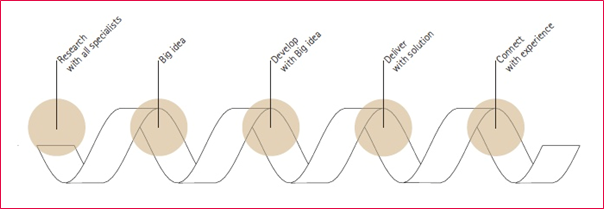
Human Centered Design is an iterative process that involves successive cycles of exploration, gap analysis, and improvement to move from the initial Big Idea to a fully credible product.
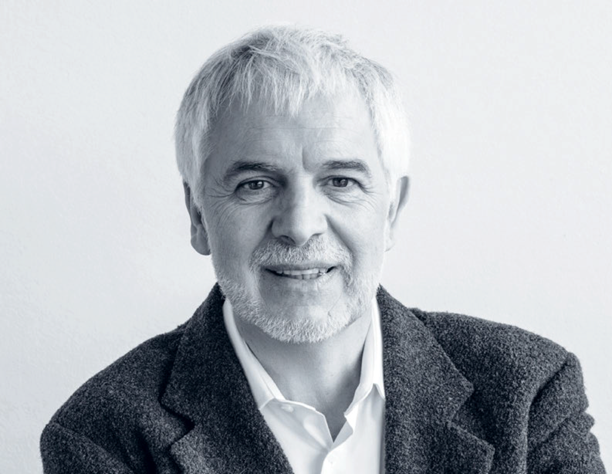
Author: Erdmann Solutions founder and CEO Raimund Erdmann. Raimund studied industrial design at the Zurich University of the Arts in the late 1970s and during the 1980s studied architecture and cultural history and interned in Buddhist temple architecture in Kyoto. As well as Erdmann Design, Industrial Design and Corporate Branding, he also established the Industrial Design Institute in Zurich. He has taught HCD methods at Zurich University of the Arts, and in the USA at University of Washington, Stanford University, and Virginia University.
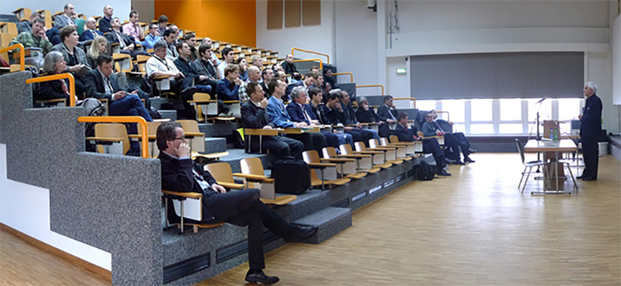
Erdmann knowledge-sharing lectures and workshops impart HCD insights from academic and professional experts from around the world.
Related Articles