By Delim Cosmetics…

NextGen Topical Drug Delivery Systems
Topical drug delivery has long been a cornerstone of modern therapeutics, providing a non-invasive, targeted, and patient-friendly route of administration. By applying drugs directly to the site of pathology, topical formulations minimize systemic exposure and reduce the risk of adverse effects commonly associated with oral or injectable routes. This localized drug deposition enhances safety profiles and improves therapeutic efficiency, particularly in conditions where high local concentrations are required.
Traditionally dominated by creams, ointments, and gels, topical therapy plays a key role across multiple therapeutic areas. Beyond dermatology – where it is essential for managing inflammatory skin diseases, infections, and wound care – topical delivery is also critical in ophthalmology (e.g., glaucoma treatments, anti-inflammatory eye drops), transdermal pain management, hormone replacement therapy, and even smoking cessation via patches. These diverse applications underscore the versatility and clinical relevance of this route.
The growing demand for more effective and convenient formulations is driving innovation. Next-generation topical drug delivery systems aim to enhance permeation, prolong residence time, and improve long-term patient compliance. Innovative technologies include nanocarriers (such as liposomes, solid lipid nanoparticles, and polymeric micelles) that improve solubility and penetration through the stratum corneum; microneedle arrays, which create microchannels for painless drug transport; smart hydrogels responsive to stimuli such as temperature or pH; and film-forming systems that establish an invisible, long-lasting layer for sustained release. Additionally, transdermal patches with advanced permeation enhancers, foam-based carriers, and sprayable or aerosolized formulations are expanding the therapeutic landscape, offering greater dosing precision, comfort, and aesthetic acceptability.
By addressing challenges such as low skin permeability and variable bioavailability, these innovations optimize pharmacokinetics while supporting patient-centered outcomes. As research continues to integrate pharmaceutical science with nanotechnology, materials engineering, and biomimetic approaches, next-generation topical systems have the potential to reshape therapeutic strategies across multiple medical fields.
The Rise of Innovative Topical Formulations: enhancing Patient Adherence with Sensory-Focused Design
Advancements in topical drug delivery increasingly reflect a shift from purely pharmacokinetic optimization toward a holistic understanding of the patient experience. Adherence remains a critical determinant of therapeutic success, particularly in long-term management of dermatological, musculoskeletal, and mucosal conditions. As a result, formulation scientists are placing renewed emphasis on sensory attributes, application dynamics, and daily usability. This patient-centric approach drives the development of next-generation systems that deliver active compounds efficiently while aligning with users’ expectations for comfort, convenience, and aesthetic appeal.
Among the most promising innovations are film-forming systems and thermoresponsive gels – intelligent, adaptive vehicles capable of responding to physiological or environmental cues. Unlike traditional semi-solid formulations, these systems interact dynamically with the skin surface, forming protective layers or undergoing structural transitions that enhance retention while minimizing greasiness, residue, or tackiness. By optimizing tactile and visual qualities, these technologies support greater acceptability and seamless integration into daily routines, contributing to improved adherence.
Formulation development is increasingly guided by detailed characterization of rheological behavior, spreadability profiles, and evaporation kinetics. These sensory-driven performance metrics complement pharmacological efficacy, particularly in therapies requiring chronic or repeated application. Delim exemplifies this approach by prioritizing sensory engineering alongside stability, compatibility, and release kinetics, ensuring that patient experience and therapeutic performance progress hand in hand.
The convergence of material science, dermatopharmacology, and sensory innovation represents a significant advancement for topical therapies. Formulations that feel pleasant, absorb predictably, and integrate easily into daily routines can meaningfully enhance adherence and, consequently, clinical outcomes.
Manufacturing Innovation for Temperature-Sensitive Products
The production of advanced topical delivery systems – such as film-forming and thermoresponsive gels – requires technical precision and specialized process design. Delim has developed and optimized manufacturing platforms specifically to meet the challenges posed by these complex systems and the temperature-sensitive active pharmaceutical ingredients (APIs) they often contain.
Low-temperature processing, combined with advanced stabilizing matrices, preserves the structural integrity and pharmacological activity of vulnerable molecules, including peptides, steroids, and ophthalmic agents. These APIs are highly susceptible to thermal degradation and oxidative stress. Delim’s proprietary technologies employ controlled environmental conditions and protective excipient networks to maintain potency throughout production and storage, extending shelf life and ensuring reproducibility of therapeutic performance.
For thermoresponsive gel systems, precise control of gelation temperature, rheological properties, and microstructural organization is essential. Tailored lipid – polymer architectures allow predictable sol–gel transitions at physiologically relevant temperatures and consistent drug-release kinetics. These networks accommodate temperature-labile active substances without compromising stability or functional performance.
Collectively, these manufacturing strategies enable robust, reproducible, and patient-focused topical products. Adapting both formulation composition and processing conditions to safeguard sensitive APIs represents a technological advancement that strengthens the industry’s ability to deliver sophisticated and reliable topical therapies.
Clinical Applications: Focused on Key Areas of Need
Innovations in topical delivery have demonstrated significant potential across multiple clinical domains, particularly where conventional therapies face efficacy, safety, or adherence challenges.
- Dermatology: Chronic conditions, including inflammatory skin disorders, infections, and persistent dermatoses, require formulations that provide prolonged therapeutic effect, chemical stability, and optimized skin permeation. Delim’s semi-solid platforms, including film-forming and thermoreversible gels, enable localized, controlled delivery of active pharmaceutical ingredients, optimizing onset and duration of pharmacological activity. Formulation strategies enhance stratum corneum penetration for agents such as NSAIDs, corticosteroids, and antifungal compounds, maximizing efficacy while minimizing systemic exposure.
- Ophthalmology: Topical ocular therapies demand precise control over viscosity, residence time, and drug-release kinetics to ensure effective absorption while minimizing ocular irritation. Delim’s thermoresponsive gels and controlled-release ocular systems provide enhanced residence time and deeper penetration of active ingredients, preserving corneal and conjunctival integrity and maintaining optimal therapeutic performance.
- Pain Management: Topical analgesics offer localized, targeted treatment with reduced systemic exposure. Delim’s penetration-enhanced gels provide rapid onset and sustained relief, addressing musculoskeletal and neuropathic pain while mitigating adverse effects typically associated with oral or parenteral medications.
These innovations demonstrate the strategic role of advanced topical platforms in meeting unmet clinical needs, enhancing localized efficacy, and supporting patient adherence across diverse medical indications.
A Comprehensive, Patient-Centered Approach
Delim applies a rigorous Patient-Centered Design (PCD) framework to align technological advancements with real-world patient needs. Through sensory evaluations, usability studies, and structured user feedback, formulations are refined to optimize both performance and sensory acceptability. This approach results in products that are easy to apply, comfortable to wear, and reliable in clinical action, facilitating seamless integration into daily routines and promoting long-term adherence.
Integrated Development and Manufacturing: End-to-End Solutions
Delim’s fully integrated model – from early-stage research to commercial-scale manufacturing – positions the company as a strategic partner for pharmaceutical developers. Facilities feature state-of-the-art technologies for semi-solid and liquid processing and fully comply with international regulatory standards. This ensures consistent quality, robust documentation, and adherence to global requirements.
Through flexible, collaborative development pathways, Delim supports both emerging biotech companies and established pharmaceutical organizations. This integrated approach reduces technical and regulatory risks, shortens time-to-market, and increases the likelihood of successful commercialization.
Continuous Innovation for the Future of Topical Drug Delivery
To meet the growing demand for advanced, patient-centric therapies, Delim continues to invest in innovative technologies. Key priorities include:
- Adaptive polymer matrices engineered for customizable, condition-responsive drug release
- Smart packaging systems enabling precise, metered dosing and improved adherence tracking
- Sustainable, eco-friendly formulations using environmentally responsible excipients and manufacturing strategies
By anticipating emerging therapeutic and regulatory trends, Delim is not only addressing current industry needs but actively shaping the future of topical drug delivery.
Resources
Click on Delim Pharmaceutical Services for further information.
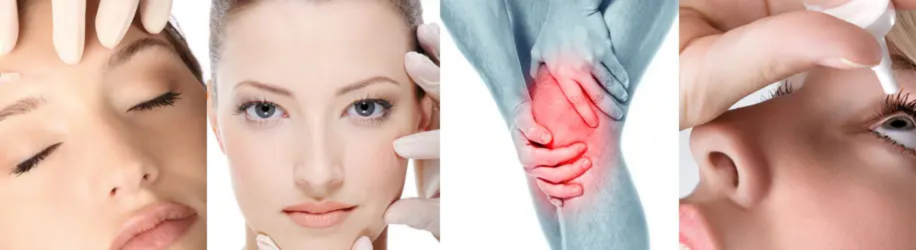
Delim’s specialised expertise in topical formulations — long valued in cosmetics — is now increasingly relevant to next-generation drug delivery in dermatology, ophthalmology and pain management.
Related Articles