By Polypharma Technologies…
Subscribe to Supplier
Subscribe to Supplier

Drug Manufacturing for new markets – A Polypharma Guide
The pharmaceutical sector in Africa and the Middle East continues to face complex challenges – heavy reliance on imported medicines, vulnerability to counterfeit products, limited local manufacturing capacity, and persistent gaps in essential therapeutic areas.
For manufacturers, investors and distributors seeking to establish or expand generic drug production, navigating technical, regulatory and market barriers can be a significant undertaking.
Polypharma Technologies & Sciences presents this FAQ Guide to answer the most common strategic and operational questions asked by companies building or scaling pharma capabilities in new markets — highlighting how Polypharma can support this transition through consultancy, dossier development, and technology-transfer expertise.
What are the biggest challenges facing generic drug manufacturing in Africa and the Middle East?
Local pharmaceutical ecosystems often struggle with:
- high dependency on imported finished medicines
- inadequate access to quality-assured APIs and excipients
- limited availability of validated, registration-ready technical dossiers
- regulatory complexity across diverse markets
- shortage of skilled technical personnel
- lack of established technology-transfer pathways
- fragmented supply chains and risks of counterfeit medicines.
Polypharma helps reduce these constraints by providing product dossiers, API documentation, technical support, and stepwise guidance for establishing compliant manufacturing operations.
What is a pharmaceutical dossier and why is it essential for establishing new generic drug production?
A generic drug dossier contains the complete technical, regulatory, quality and manufacturing documentation required for registering a product with national medicines authorities.
It includes:
- formulation and manufacturing processes
- stability data
- quality specifications
- validation plans
- analytical methods
- API documentation, DMFs, CoAs and GMP certificates.
Without an approved dossier, no pharmaceutical product may be legally manufactured or marketed.
Polypharma provides more than 200 complete generic dossiers, fully pre-developed and designed specifically for registration in African and Middle Eastern markets.
How can companies choose the right generic products to manufacture for local markets?
Selecting the right portfolio is crucial. Factors include:
- local disease burden and therapeutic gaps
- competitive landscape
- price sensitivity
- regulatory feasibility
- availability of high-quality raw materials
- manufacturing capability and scale.
Polypharma supports clients through portfolio advisory services, helping them choose high-value, high-demand molecules and avoid saturated or low-feasibility product categories.
Where can manufacturers obtain complete, registration-ready generic drug dossiers for African and MENA markets?
Polypharma develops and supplies market-ready generic dossiers for:
- tablets and capsules
- syrups and suspensions
- creams, ointments and gels
- sterile injectables
- ophthalmic preparations
- veterinary medicines
- food supplements and selected biosimilars.
Each dossier includes the full regulatory package required for health authority submission to accelerate time-to-market and reduce risk for new or expanding manufacturers.
How can pharmaceutical companies reduce reliance on imported medicines and transition toward local production?
Polypharma does not build factories or supply equipment — but it provides the strategic and regulatory guidance that underpins successful localization.
Support includes:
- feasibility studies
- market and therapeutic-gap analysis
- business planning for new plants
- guidance on GMP workflows, documentation and product selection
- connecting manufacturers with dossier packages needed to launch local production.
This step-by-step consultancy enables companies to reduce import dependency and strengthen local health-system resilience.
What support is available for technology transfer and scale-up in generic drug manufacturing?
Technology transfer is often the most technically challenging step in establishing a new product, ensuring that what works in a laboratory will work at scale on your own production equipment. .
Polypharma provides:
- on-site assistance from pharmacists, chemists and technicians
- supervision of validation and pilot batches
- troubleshooting and scale-up optimization
- accelerated acceptance processes to reduce time to commercialization
- all required API documentation (GMP certificates, CPPs, DMFs, licenses) linked to each dossier.
This ensures smoother batch transfer from development to routine production.
Where can manufacturers source high-quality APIs and excipients — and what role does Polypharma play?
Polypharma does not maintain stock or act as a wholesale supplier, but it guides clients toward trusted, internationally accredited API and excipient manufacturers.
Polypharma provides:
- API/excipient sourcing support
- all raw-material documentation aligned with dossier data
- advice on formulation adjustments and excipient strategies
- guidance on pharmacopoeial compliance (EU, USP, BP, harmonized monographs)
These are all needed to ensure that manufacturers can secure reliable, quality-assured materials for their new products.
How can investors or new entrants establish pharmaceutical production in emerging markets — and what consultancy support does Polypharma provide?
For entrepreneurs or importers transitioning into manufacturing, Polypharma offers higher-level advisory-only services, including:
- investment feasibility assessments
- market and competitor analysis
- guidance on selecting viable product portfolios
- advice on documentation, regulatory pathways and dossier selection
- high-level recommendations on plant layout and equipment requirements
- access to experienced consultants knowledgeable in African and Middle Eastern markets.
This consultancy framework helps new players enter the industry with well-founded plans and reduced strategic risk.
Resources
Click on Polypharma Technologies & Sciences for further information.
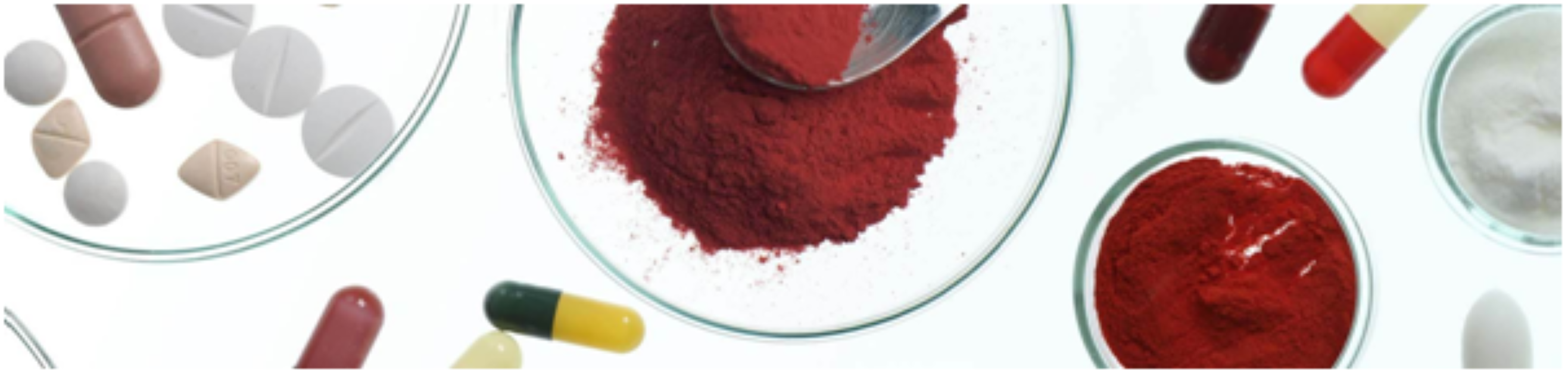
Polypharma Technologies & Sciences can answer the many questions asked by new entrant local producers seeking to manufacture high quality and affordable generic drugs in developing markets.
Related Articles